
Before taking your crop to the mandi, check the latest market rate, MSP where applicable, grain quality, moisture level, required documents, weighing arrangements, deductions, payment terms, buyer offers and transportation costs. These 10 checks can help you avoid common selling mistakes, understand the value of your produce and make a more informed selling decision.
Check the Latest Mandi Rate
Before taking your crop to the mandi, check the latest market rate in your nearest mandi. Compare rates from reliable sources and confirm that the price is for the same crop variety and quality. Also, check the date of the rate so you do not rely on outdated information.
Know the Applicable MSP
If your crop is covered under the Minimum Support Price (MSP), check the official MSP for the current marketing season. Understand the procurement rules, registration requirements and quality conditions before visiting the procurement centre. This will help you know the applicable support price and whether your produce meets the requirements.
Check Your Crop Quality
Inspect your harvested crop before taking it to the mandi. Remove unwanted materials, damaged grains and other impurities wherever possible. Proper cleaning, sorting and grading can help your produce meet buyer requirements and reduce the chances of rejection or quality-related deductions.
Check Moisture Content
Check the moisture level of your crop before loading it for transport. Excess moisture can affect grain quality, storage and acceptance during procurement. If needed, dry the produce properly according to the applicable quality requirements before taking it to the mandi.
Keep Required Documents Ready
Keep the necessary documents ready before leaving for the mandi. Depending on the state and selling arrangement, you may need identity proof, farmer registration details, bank account information and crop-related records. Confirm the exact document requirements with the mandi or procurement centre in advance.
Understand the Weighing Process
Pay attention to the weighing process when your crop is sold. Check that the weighing equipment is working properly and that the recorded quantity matches the actual produce weighed. Ask for a weighment slip or sale receipt and keep it safely for future reference.
Ask About Deductions and Charges
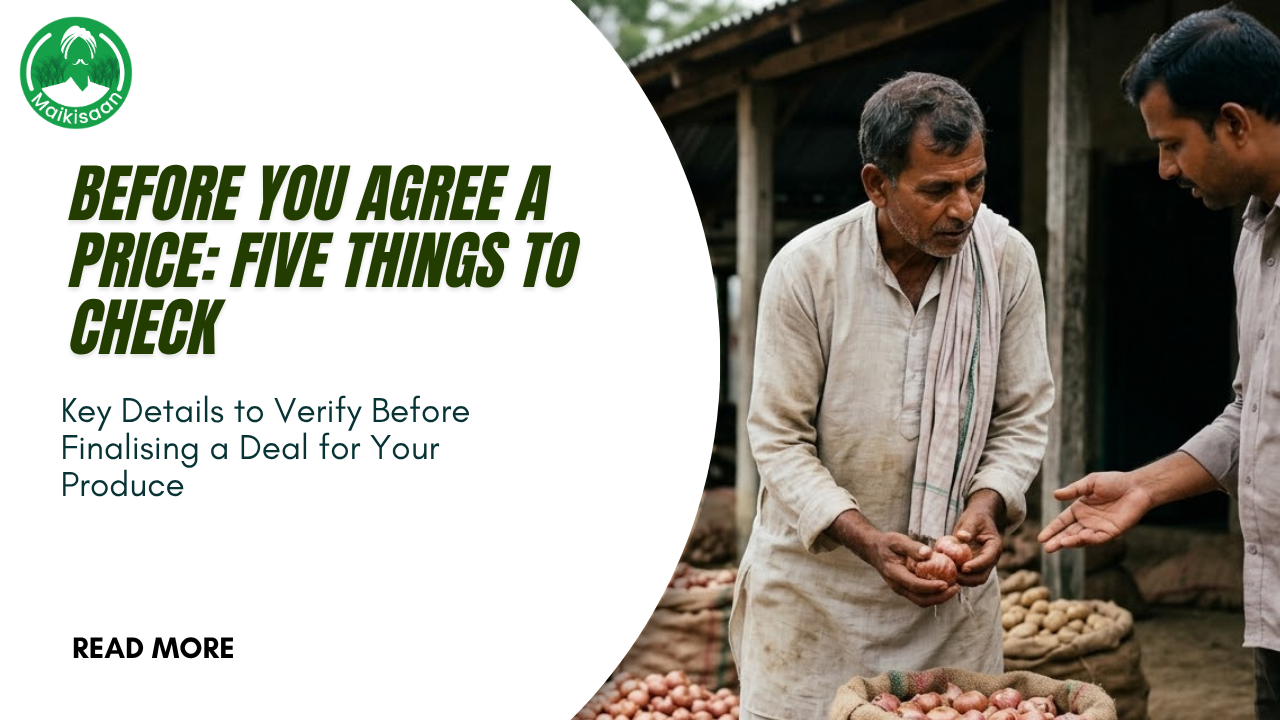
Before finalising the sale, ask about any applicable market charges, handling fees, loading or unloading costs and other deductions. Understand how these charges will affect your final payment. Do not compare offers only on the quoted price; consider the amount you will actually receive.
Confirm Payment Terms
Before selling your crop, confirm how and when the payment will be made. Ask whether payment will be made through bank transfer or another accepted method and understand the expected payment timeline. Keep the sale receipt and payment records until you receive the full amount.
Compare Offers from Different Buyers
If more than one buyer is available, compare their offers before making a decision. Check whether the offers are for the same crop variety, quality and quantity. Also consider deductions, transportation expenses and payment terms to understand which offer provides the best overall value.
Plan Transportation in Advance
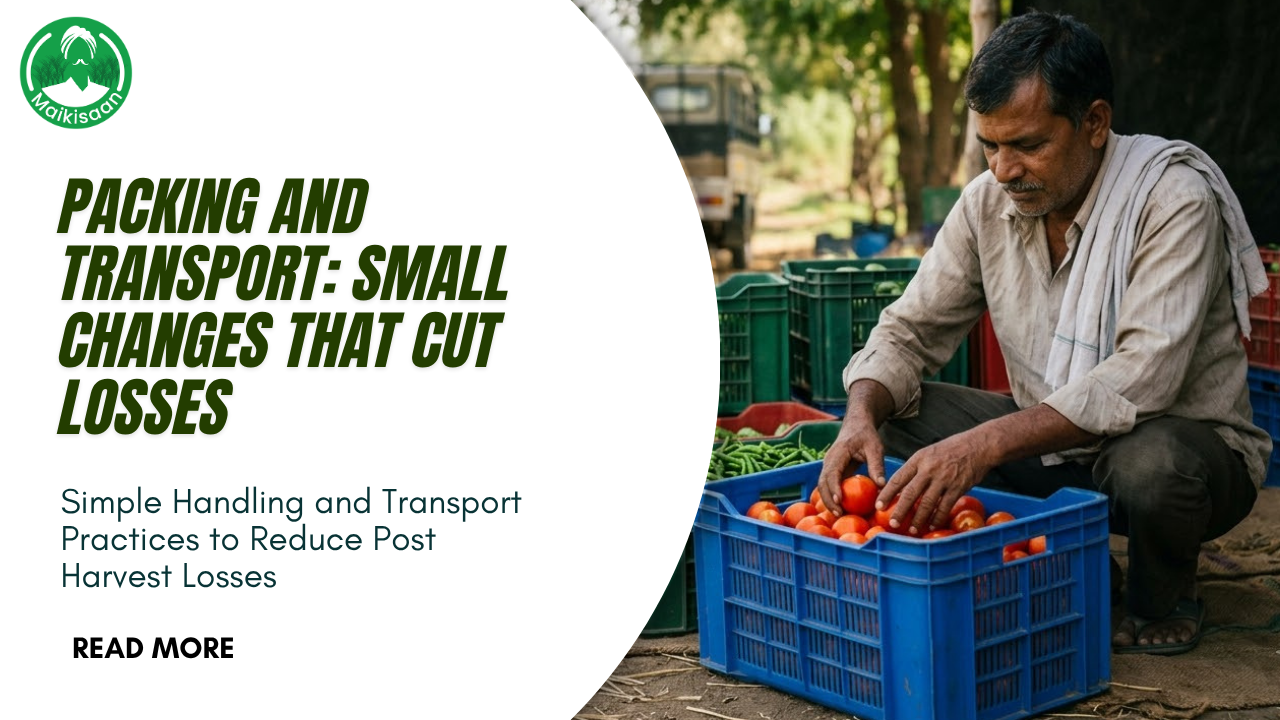
Arrange your vehicle, labour and loading requirements before taking your crop to the mandi. Check the mandi's operating timings and plan your journey to avoid unnecessary waiting. Proper planning can help reduce transportation costs, prevent delays and protect your produce from damage.
Frequently asked questions
- How can I check the latest mandi rate for my crop?
- You can check mandi rates through the AGMARKNET portal, e-NAM platform and your state’s agricultural marketing website. Compare rates for your crop variety, quality and nearest mandi, and always check the date of the reported price.
- What should I check before taking my crop to the mandi?
- Check the latest mandi rate, applicable MSP, crop quality, moisture content, required documents, weighing process, deductions, payment terms and transportation arrangements before taking your crop to the mandi.
- Why should farmers check MSP before selling their crops?
- Checking MSP helps farmers understand the government-announced support price for eligible crops. It also helps them compare market offers and understand the applicable procurement conditions.
- Does crop moisture affect the selling price in the mandi?
- Yes. Excess moisture can affect crop quality, storage and acceptance during procurement. Some crops have specified moisture limits under procurement quality standards, so farmers should check the applicable requirements before selling.
- What documents should I carry when taking crops to the mandi?
- Requirements vary by state and selling arrangement. Farmers may need identity proof, farmer registration details, bank account information and crop-related documents. Confirm the required documents with the local mandi or procurement centre.
- How can I avoid weighing mistakes in the mandi?
- Make sure your crop is weighed properly, check the quantity recorded by the buyer or mandi and ask for a weighment slip or sale receipt. Keep the receipt safely until the payment is completed.
- What charges or deductions should I check before selling my crop?
- Ask about applicable market charges, handling fees, loading and unloading costs, transportation expenses and any other deductions. Compare the final amount you will receive rather than looking only at the quoted price.
- How can I get a better price for my crop in the mandi?
- Check current market rates, maintain good crop quality, compare offers from different buyers and understand all applicable deductions. Consider transportation costs and payment terms before accepting an offer.
- What should I do if the buyer offers a price lower than the mandi rate?
- Verify the latest rate for the same crop variety and quality. Ask the buyer about the reason for the difference, compare other available offers and calculate the final amount after deductions before making your decision.
- Why should I plan transportation before taking my crop to the mandi?
- Planning transportation in advance can help reduce unnecessary expenses, avoid delays and protect your produce from damage. Arrange a suitable vehicle, loading labour and check mandi timings before leaving.